Skip the Empty Suitcase: How Rental Startups Fixed the Desi Wedding Outfit Problem
Every desi American knows the suitcase math. Fly home for a wedding, leave half the bag empty on the way there, stuff it with clothes on the way back. Wear the outfit once — maybe twice if it's a cousin's back-to-back function — then hang it in the closet like a monument to one very good weekend.
A crop of rental and resale startups is quietly putting that ritual out of business.
The Closet Audit That Started a Business
Ask the founders of these platforms how they started and you'll hear the same origin story with different accents: a wedding season, a closet full of gorgeous things worn once, and the realization that hundreds of thousands of other South Asian Americans had the exact same inventory sitting idle.
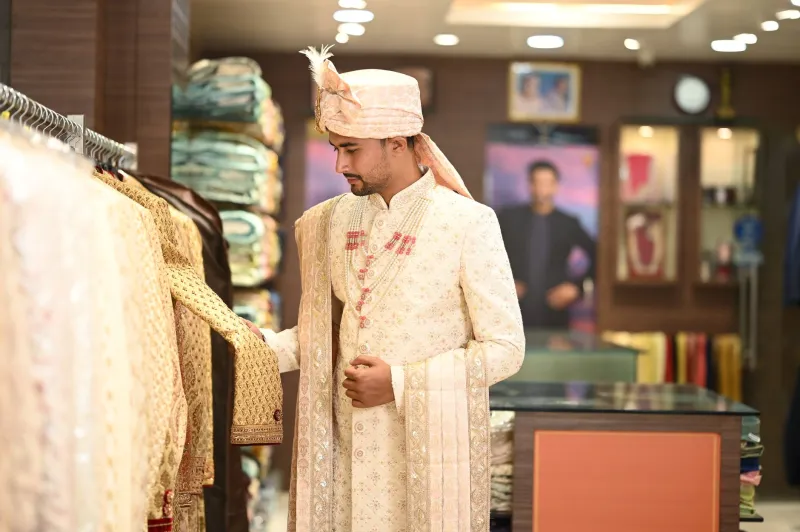
The model is simple. Rent a designer sherwani or a heavily embroidered lehenga for a fraction of retail, get it dry-cleaned and shipped, return it after the function. Resale platforms work the adjacent angle — buy a pre-loved outfit from someone who wore it to a wedding in Dallas, sell yours after yours in Atlanta. The outfits keep circulating; nobody's closet becomes a museum.
"Our customers aren't cheap — they're smart," one founder puts it. "They'd rather spend on a tailor who actually fits it right than on owning a third lehenga."
The Economics Make Too Much Sense
The numbers explain the boom. A quality bridal-adjacent lehenga can run four figures. A rental typically lands somewhere in the low hundreds, delivered pressed and ready. For a community that attends, conservatively, a dozen events a year — mehndis, sangeets, pithis, receptions — the math stops being a debate.
There's also a logistics win nobody talks about enough: no more airport outfit anxiety. No more ironing a heavily embroidered dupatta in a hotel bathroom. No more praying the garment bag survives the overhead bin.
The Outfit-Repeating Taboo Is Dying
The deeper cultural shift underneath all this: the old stigma. In the auntie economy of the nineties and aughts, being seen in the same outfit twice was a social event. Photos lived in physical albums; the evidence was permanent.
Gen Z and millennial desis have collectively decided they don't care. Instagram is ephemeral, weddings are frequent, and sustainability is a value, not a buzzword. Wearing a rented showstopper and posting it once is now just... normal. Some rental platforms even lean into it, marketing the same showpiece outfit to different cities the same month.
The empty suitcase era isn't fully over — grandmothers remain loyal to ownership, and fair enough. But the default is changing. The outfit for the function is no longer a purchase. It's a booking.