Bollywood Nights, American Cities: What Really Happens After the DJ Drops the First Chaiyya Chaiyya
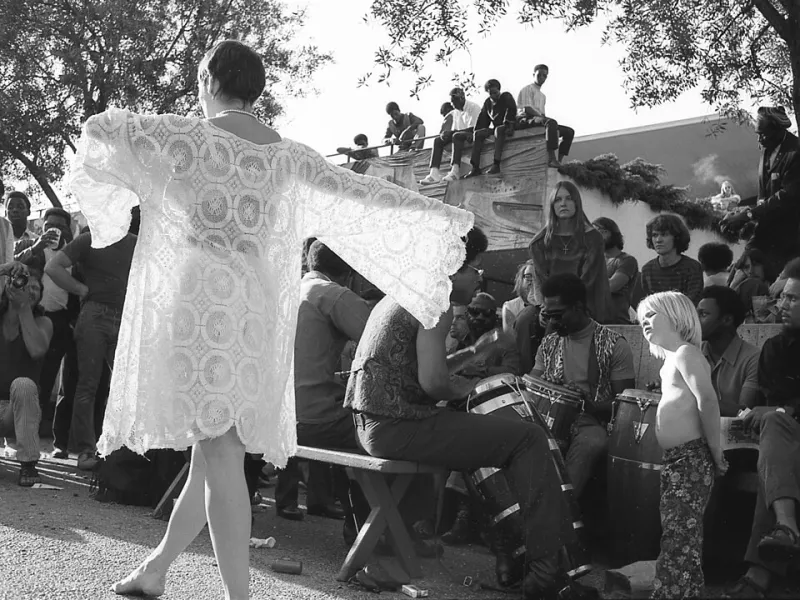
Photo: Hartmut Schmidt Heidelberg, CC BY-SA 4.0, via Wikimedia Commons
It's 11:30 PM on a Saturday in Chicago's West Loop, and the line outside the venue is doing that thing — half puffer jackets, half kurta, everyone checking the group chat to confirm this is the right door. Inside, the DJ is teasing the opening strings of "Chaiyya Chaiyya" and two hundred people are losing their minds in anticipation. This is Bollywood night in America, and it has quietly become one of the most reliable, lucrative, and culturally loaded party scenes in the country.
The Map: Four Cities, Four Vibes
New York runs on volume and variety. Between Manhattan lounges and Brooklyn warehouse parties, you can catch a retro Kishore Kumar night, a Punjabi-trap takeover, and a fancy dress-to-impress Bollywood ball all in the same month. The crowd skews international, the drinks are expensive, and the dance floor is competitive.
Chicago is the blue-collar heart of the scene. Parties here lean big — big venues, big sound systems, big singalong moments. The Midwest crowd shows up early and stays late, and the promoters will tell you Chicago has the most loyal regulars in the country.
Dallas is the growth market. With a massive and still-expanding South Asian population across North Texas, the party scene has exploded into dedicated venues, monthly residencies, and all-day festival afterparties. Everything's bigger, including the baraat energy.
The Bay Area is where the music gets experimental. With producers, DJs, and crate-diggers in every direction, San Francisco and San Jose nights blend Bollywood classics with everything from UK garage to desi electronic — the scene here is as much listening party as dance party.
The Promoter Economy
Every city has its scene-makers, and most of them have day jobs. The engineer who throws monthly parties in Dallas. The med student who books DJs in Chicago. Promotion runs on Instagram reels, group chats, and word-of-mouth — sound familiar? — and the margins are thin but the community is thick. DJ wars are real: rival nights on the same weekend, bidding wars over the few DJs who can seamlessly move from Lata Mangeshkar to Arijit Singh to a drill remix without clearing the floor.
"Anyone can play the hits," one Bay Area DJ told me. "The job is the journey between the hits. If I take a room from 1998 to right now without losing them, that's the whole art."
The 2 AM Question
But here's the thing the flyers don't tell you: the party is only partly about the party. Ask people why they come, week after week, city after city, and the answer circles back to the same idea — this is a third space. Not home, not work. A place where you don't have to explain yourself.
At the bar, nobody needs a pronunciation do-over. On the dance floor, knowing every word to a twenty-year-old song isn't a fun fact, it's a handshake. For the American-born crowd especially, these nights are where identity gets negotiated in real time — how desi is too desi, how American is not enough, and why that binary falls apart completely the moment the whole room screams the same hook at the same time.
And then there's the after-midnight shift, which every scene veteran knows about. The biggest hits hit before midnight. After that, the room splits — some head home, some head to the afterparty, the biryani spot, the diner. That's when the real conversations happen: the job you didn't take, the person you're seeing, the family stuff. The dance floor breaks the ice; the 2 AM diner closes the deal.
Why It's Not a Trend
Skeptics keep calling Bollywood nightlife a phase, the way they called the music a phase. But the scene keeps compounding — more cities, younger crowds, bigger budgets. Every college freshman who discovers it this fall becomes the regular of 2027.
The truth is, these parties aren't nostalgia. Nostalgia is looking backward. This is something else: a generation building a room where all their influences get to exist at once, at full volume, until the lights come on. The Chaiyya Chaiyya drop is just the door. What happens after midnight is the point.