Forget the Restaurant — The Real Party Is at Someone's House Now

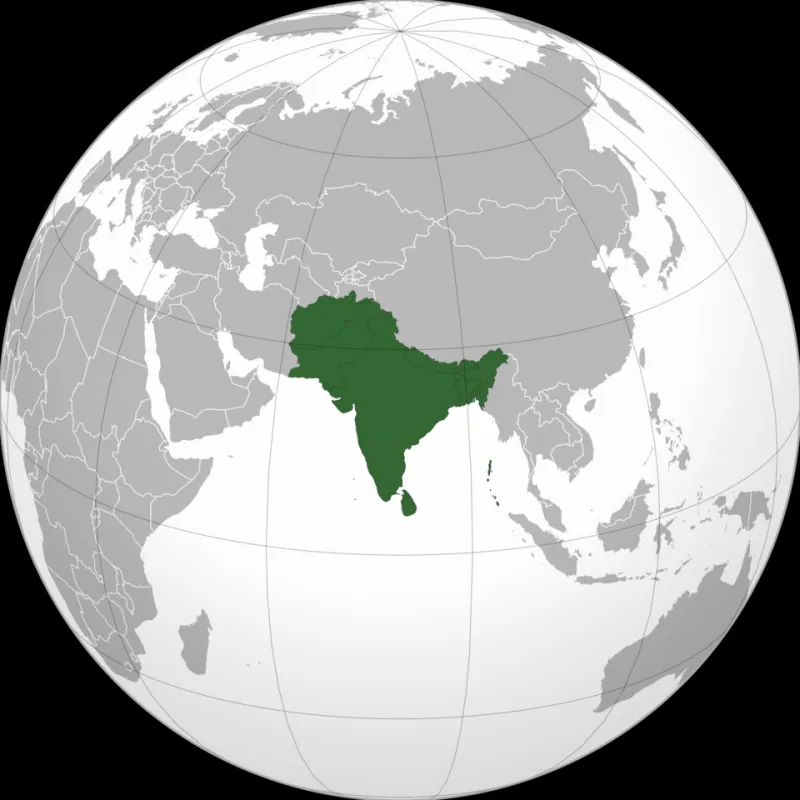
Photo: University of the Fraser Valley, CC BY 2.0, via Wikimedia Commons
Somewhere between the post-pandemic need to actually see people again and a collective exhaustion with overpriced tasting menus, a quiet shift has been happening in Desi American homes across the country. The dinner party is back — and it's never been more intentional.
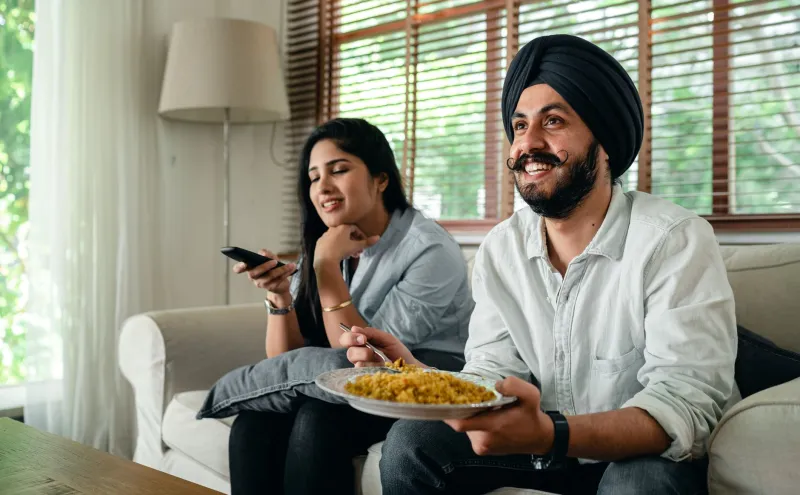
We're not talking about a casual hangout where someone orders DoorDash and calls it a night. We mean the full production: hand-washed china that only comes out for company, three curries minimum, a dessert situation that somehow involves both gulab jamun and a store-bought cake from Costco, and a playlist that starts with old Kishore Kumar and ends with whatever's trending on the Bollywood charts. This is the Desi dinner party renaissance, and it's rewriting what hospitality looks like for South Asian diaspora communities in America.
It Started With the Pandemic (Obviously)
Ask almost any Desi American host in their 30s or 40s when they really leaned back into home entertaining, and you'll get some version of the same answer: COVID changed everything. Restaurant culture, which had become the default social setting for so many diaspora communities, suddenly wasn't an option. And in the absence of that fallback, something older and more instinctive kicked in.
"We started hosting these small dinners during the pandemic just to keep our sanity," says Priya, a Houston-based physician who now hosts a monthly dinner for a rotating group of about 12 friends. "And then we realized — this is actually better. You can actually talk. You know what everyone's eating. You're not shouting over some restaurant's curated ambient noise."
That sentiment is echoed across Desi American households from Fremont to Flushing. The dinner party didn't just survive the pandemic — it evolved into something more deliberate, more culturally loaded, and frankly more fun.
The Unwritten Rules Nobody Told You About
If you've ever been invited to a Desi dinner party and showed up on time, first of all: bless your heart. You've already broken the first unspoken rule. The stated time is a suggestion. The real start time is approximately 45 minutes to an hour later, and this is not disorganization — it's a feature. It gives the host time to finish the dal, gives guests time to find parking, and gives everyone time to pretend the house wasn't cleaned in a panic two hours ago.
The seating arrangement is its own art form. Elders get the comfortable chairs. Kids get corralled somewhere with a phone or a tablet. The kitchen becomes its own social ecosystem where the real conversations happen — the ones you wouldn't necessarily have at the table.
And then there's the food timing. Appetizers come out immediately because no one has eaten since noon in anticipation of this meal. The main course arrives when the host decides it's ready, not a moment before. Dessert is served just when you think you physically cannot eat anything else — and somehow you do.
"There's this whole choreography to it that I grew up watching my mom do," says Amir, a Chicago-based architect who hosts quarterly dinner parties for his friend group, most of whom are second-generation South Asians. "I didn't realize until I started hosting myself how much I'd absorbed. Like, I just know you don't bring out the rice until the curries are already on the table. I don't know how I know that. I just do."
More Than Just a Meal
What makes these gatherings distinctly South Asian — and distinctly diaspora — is the layering of cultures happening simultaneously. A dinner party in Atlanta might feature saag paneer next to a cheese board, Spotify switching between Arijit Singh and Frank Ocean, and a conversation that jumps between Urdu, Tamil, and English within a single sentence.
For many hosts, this mixing isn't accidental. It's the whole point.
"I want my kids to see that our food, our music, our way of hosting — it belongs at the same table as everything else," says Sunita, a New Jersey-based marketing director and mother of two. "It's not something we do privately and then assimilate everywhere else. This is the culture."
There's also a generational reclamation happening. Younger Desi Americans who grew up watching their parents host elaborate gatherings — and maybe felt a little embarrassed by the excess of it as teenagers — are now actively recreating those same traditions, often with a more conscious appreciation for what they represent.
The New Dinner Party Aesthetic
Scroll through the right corners of Instagram or TikTok and you'll find a growing community of Desi American hosts documenting their setups: hand-lettered place cards, fresh marigold centerpieces, mismatched vintage serving dishes that somehow look completely intentional. The aesthetic is warm, layered, and deeply personal — a far cry from the minimalist dinner party content that dominated lifestyle feeds for the past decade.
Recipe sharing has become part of the culture too. Hosts post their menus, tag the spice brands they swear by, and field DMs asking for their makhani recipe. It's created a kind of informal community cookbook, living entirely on social media, that documents what Desi American home cooking actually looks like in 2024 — which is to say, a beautiful, delicious mess of regional traditions, family adaptations, and whatever fusion idea someone decided to try this month.
Why It Matters
At its core, the Desi dinner party renaissance is about something deeper than food trends or aesthetic choices. It's about carving out spaces — physical, social, cultural — where South Asian identity doesn't have to be explained or diluted. Where you can speak in whatever language feels right, eat with your hands if you want to, and stay until midnight because no one is in a rush to leave.
In a country where South Asian culture often gets filtered through the lens of what's palatable to a mainstream audience, the dinner party is one of the few spaces that belongs entirely to the community itself. No dress code required — unless your host is the type who sends a WhatsApp message saying "it's a bit of a dressed-up occasion," in which case, you know what to do.
Show up an hour late. Bring mithai. Compliment the food. Stay longer than you planned.
That's the whole vibe.